TRAINING SERVICE PROVIDERS TO SUPPORT AUTISTIC INDIVIDUALS
Section 4.3:Activity suggestions on Puberty, hygiene and menstruation
Goals
This chapter aims to support learners with autism in:
● Understanding the physical changes that occur during puberty
● Identifying and managing emotional changes
● Developing a healthy body image and self-esteem
● Learning about personal hygiene and self-care routines
● Understanding menstruation in a clear, supportive way
● Recognising and regulating mood swings
● Respecting their own and others’ bodily autonomy
● Learning appropriate social and emotional responses.
Teaching Strategies
– Visual Supports
● Puberty charts or illustrated books can be used to show physical changes in boys and girls.
● Hygiene routines can be displayed visually (e.g., showering, deodorant use, changing sanitary pads).
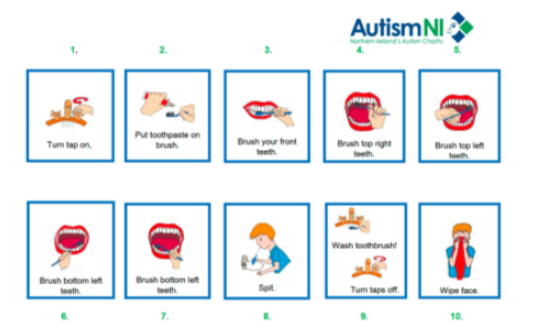
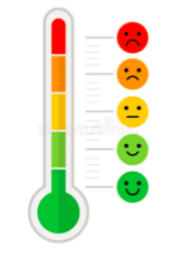
● Emotion thermometers or faces can be used to recognise emotional states and link them to hormonal changes.
● Using images of diverse bodies and natural changes can create body-positive imagery.
● For menstruation: Diagrams, flowcharts, and sample hygiene products can be used in a non-threatening way.
– Social Stories
Social stories can be used to address:
● “What is Puberty?”
● “Getting My Period”
● “Shaving for the First Time”
● “Dealing with Body Odour”
● “Why I Feel Angry Sometimes”
● “Changing in the Locker Room”
– Role-Playing
Suggested Scenarios:
● Asking for help with hygiene needs (e.g., “Can you help me buy deodorant?”)
● Managing emotional outbursts (“I feel frustrated, I need a break.”)
● Responding to teasing about body changes
● Practising changing clothes in private spaces like bathrooms or locker rooms
Tips:
● For indirect practice, you can use scripts and puppets
● Always offer praise for expressing needs or managing feelings calmly
– Positive Reinforcement
● Remember to praise appropriate self-care habits, such as saying, “You remembered to brush your teeth, great job!”
● You could also use token systems to support consistent hygiene routines
– Modelling
You can model skills such as:
● Washing hands, using deodorant, and changing clothes appropriately
● Using sanitary products (demonstrated on dolls or charts, not live)
● Expressing emotions calmly (“I feel nervous, so I will take deep breaths”)
● Using checklists or apps for daily hygiene and emotional tracking
Suggested Activities
Movement & Imitation Games
– Body Changes Matching Game
Use cards showing physical changes (e.g., facial hair, breast development) and match them to age/stage or name.
– My Hygiene Kit
Create a personal hygiene box with deodorant, soap, menstrual products, a toothbrush, etc.
– Hygiene Routine Sequencing
Provide cards showing steps such as “change underwear,” “use deodorant,” and “wash hands.”
– Puberty Sorting Game
Sort cards into “Happens to Boys,” “Happens to Girls,” and “Happens to Both.”
– Menstruation Station
Explore pads, liners, period underwear, and step-by-step instructions using dolls or charts.
– Scent & Sensory Exploration Station
Provide different hygiene products to smell or touch and rate them with smiley face scales. This helps sensory-sensitive learners find products they tolerate.
– Body Image “Me Collage”
Using magazines or drawings, learners create a collage of things they like about their body, identity, or interests. This helps build self-esteem and supports body positivity.
– Yes / No / Maybe Boundaries Game
Sort actions like “someone wants a hug” into Yes/No/Maybe zones with traffic light colours. This supports decision-making about consent.
Emotional Regulation Activities
– Feelings Folder / Mood Thermometer
Create a colour-coded folder or chart to identify emotions and link them to calming strategies.
– Optional Materials to Create
● Puberty Flashcards: Showing physical and emotional changes in a clear, respectful way
● Hygiene Routine Charts: Illustrated checklists for bathroom, shower, menstruation care
● Emotion Thermometers: Visual tools for identifying and scaling feelings
● Menstrual Product Samples & Visual Guides: For education and familiarization
● Social Story Booklets: “Getting My Period,” “Why My Voice Is Changing,” etc.
● Mood Tracking Worksheets: Simple daily forms to record and reflect on emotions
● Body Image Affirmation Posters: Inclusive posters celebrating different body types
● Puberty Sorting Mats & Cards: For interactive matching and group learning